
The evolution of gambling tracing its history through cultures and centuries
The Ancient Roots of Gambling
The origins of gambling can be traced back thousands of years, with evidence suggesting that ancient civilizations engaged in various forms of games of chance. Archaeological findings, including dice made from bone and marked stones, indicate that gambling was present in cultures such as the Sumerians in Mesopotamia around 3000 BCE. These early games often involved simple betting, laying the groundwork for more complex gambling practices that would follow. Today, you can explore exciting options at casino LolaJack, which reflects this deep-rooted tradition.
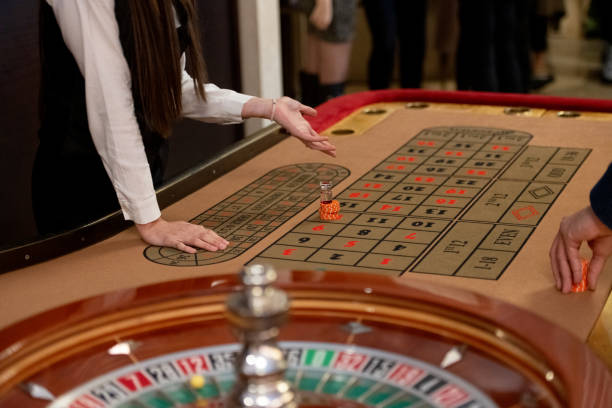
In addition to dice, ancient Chinese culture also contributed to the evolution of gambling through games like Keno, which dates back to the Han Dynasty around 205 BCE. This early form of betting was used to raise funds for important projects, demonstrating that gambling served not only as entertainment but also as a means of resource mobilization within societies.
Gambling in the Classical Era
The classical civilizations of Greece and Rome further developed gambling practices, integrating them into social and cultural life. In Greece, games of chance were often associated with festivals and public gatherings, while Romans embraced betting on gladiatorial contests and chariot races. The concept of placing wagers on outcomes became deeply intertwined with entertainment during this period.
Legislation around gambling began to emerge in ancient Rome, as authorities sought to regulate these activities. This regulatory approach reflected an understanding of the social implications of gambling, as it could lead to both revenue generation and moral concerns within the community.
The Middle Ages and Gambling’s Evolution
The Middle Ages saw a transformation in gambling practices influenced by religion and societal norms. While many forms of gambling were discouraged by the church, games like cards emerged, gaining popularity across Europe. The invention of playing cards in China and their subsequent introduction to Europe in the 14th century marked a significant milestone in gambling history.
During this time, gambling became more structured with the establishment of betting houses and early forms of lotteries. These developments reflected a growing acceptance of gambling as a legitimate pastime, despite ongoing opposition from religious institutions. The rise of the merchant class also fueled interest in gambling as a means of wealth accumulation and socialization.
The Rise of Modern Gambling
The 17th and 18th centuries marked a pivotal period in the history of gambling as it became formalized into the modern forms we recognize today. The establishment of casinos in places like Venice and Monte Carlo laid the foundation for organized gambling. These venues offered a variety of games, attracting wealthy patrons and setting the stage for the glamour and allure associated with casinos.
This era also witnessed the introduction of sports betting, as people began to wager on horse racing and other competitive events. The legal framework surrounding gambling continued to evolve, with governments recognizing its potential for taxation and regulation, which contributed to its mainstream acceptance.

Gambling in the Digital Age
The advent of the internet revolutionized gambling, making it accessible to a global audience. Online casinos and sports betting platforms emerged, allowing players to engage in their favorite games from the comfort of their homes. This shift not only transformed how gambling was conducted but also introduced innovative gaming experiences, such as live dealer games and mobile apps.
Websites like LolaJack Casino exemplify this evolution, offering an extensive selection of games alongside enticing bonuses to attract new players. The combination of technology and gaming has created a dynamic environment where players can explore various forms of gambling, all within a secure online space. The future of gambling appears bright, as digital innovations continue to reshape the landscape.